Eau de Parfum (EDP):
Richer, deeper, and longer-lasting. It usually contains 15–20% perfume essence, which means you’ll enjoy its lingering trail throughout the day. Perfect if you want your fragrance to stay with you from morning meetings to evening dinners.
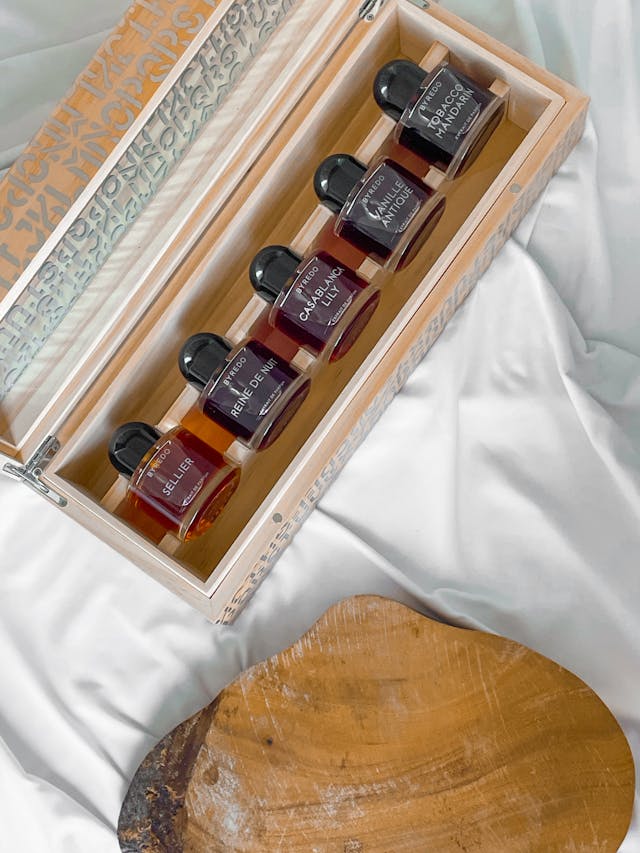
Eau de Toilette (EDT):
Lighter, fresher, and more subtle. With 5–10% perfume essence, EDTs feel airy and refreshing—ideal for daily wear, hot summers, or when you prefer a gentle veil of scent rather than a strong statement.
🌸 The Difference Between Eau de Parfum & Eau de Toilette:
A Complete Guide
Fragrance is more than just a beauty accessory—it is memory, mood, and identity captured in a bottle. Yet for all the poetry that surrounds perfume, one practical question continues to puzzle many fragrance lovers:
What is the real difference between Eau de Parfum (EDP) and Eau de Toilette (EDT)?
At first glance, the answer seems simple: concentration. Eau de Parfum is stronger, and Eau de Toilette is lighter. But as anyone who has spent time exploring fragrances knows, the truth goes much deeper. Longevity, sillage, cultural perception, pricing, and even how the perfume interacts with your unique skin chemistry all play a role.
This guide explores every angle—history, science, artistry, and lifestyle—to help you not only understand the technical difference between EDP and EDT, but also to discover which one might suit you best.
1. 🌿 A Brief History of Perfume Concentrations
The distinction between Eau de Parfum and Eau de Toilette is a relatively modern invention, but the concept of adjusting fragrance strength goes back centuries.
- Ancient Egypt: Perfume was created as resins, oils, and incense. Concentrations were naturally strong because preservation and ritual demanded it.
- Ancient Rome & Greece: Perfumed oils became symbols of wealth and beauty. Lighter scented waters were also made, especially for bathing.
- Middle Ages: The Arab world advanced distillation, giving us rose water and lighter scented essences.
- 18th Century France: Perfume began to be classified by strength. The French courts popularized different versions of scents for day and night. “Eau de Cologne” (light, citrusy water) was born here, while heavier oil-based perfumes were reserved for formal evenings.
- 20th Century: The perfume industry standardized categories like Eau de Toilette and Eau de Parfum to cater to modern consumers seeking variety, accessibility, and different levels of intensity.
Today, these categories are not just about strength, but also about style, mood, and personality.
2. 💧 What Exactly Is Eau de Parfum (EDP)?
Concentration & Composition:
- Eau de Parfum typically contains 15% to 20% perfume oil blended with alcohol and a small amount of water.
- This makes it richer, fuller, and more complex than lighter concentrations.
Longevity:
- Lasts around 6 to 8 hours on average, sometimes longer depending on skin type and environment.
- The higher concentration means the scent evolves slowly, revealing multiple layers from top to base notes.
Sillage (Fragrance Trail):
- Moderate to strong. People will notice your scent when you enter a room or during close interactions.
Best For:
- Evenings, special occasions, or when you want your fragrance to leave a lasting impression.
- Cooler climates, since richer perfumes bloom beautifully in cold weather.
Personality Fit:
- Bold, sophisticated, confident personalities who want to be remembered.
- Those who see fragrance as part of their personal statement.
3. 🌸 What Exactly Is Eau de Toilette (EDT)?
Concentration & Composition:
- Eau de Toilette usually contains 5% to 12% perfume oil diluted in alcohol and water.
- It is fresher, lighter, and more volatile.
Longevity:
- Lasts around 3 to 5 hours.
- The scent projects strongly at first but settles quickly, making it feel clean and refreshing.
Sillage:
- Light to moderate. EDTs often stay close to the skin after the first hour, creating a subtle aura.
Best For:
- Daily wear, office settings, casual outings, or warm climates.
- Ideal for those who prefer a “whisper” of fragrance rather than a strong signature.
Personality Fit:
- Energetic, playful, minimalistic personalities.
- People who want scent to be a background enhancer, not the center of attention.
4. ⚖️ Eau de Parfum vs Eau de Toilette: A Side-by-Side Comparison
| Feature | Eau de Parfum (EDP) | Eau de Toilette (EDT) |
|---|---|---|
| Perfume Oil Concentration | 15–20% | 5–12% |
| Longevity | 6–8 hours | 3–5 hours |
| Sillage | Moderate to strong | Light to moderate |
| Best Season | Autumn/Winter | Spring/Summer |
| Occasion Fit | Evening, formal, romantic | Daytime, office, casual |
| Price Point | Higher | More affordable |
| Personality Match | Confident, bold, sensual | Fresh, light, spontaneous |
This table shows why many fragrance lovers own both. EDPs add richness and presence, while EDTs bring versatility and freshness.
5. 🌞 Seasonality and Climate Influence
The weather around you dramatically changes how perfume behaves.
- Eau de Parfum in Cool Weather: In cold or rainy climates, perfumes evaporate more slowly. EDP thrives here, enveloping you like a cashmere coat. Woody, spicy, or gourmand EDPs shine in autumn and winter.
- Eau de Toilette in Warm Weather: In heat, strong perfumes can feel overwhelming. EDT is perfect for spring and summer, offering light citrus, aquatic, or floral freshness.
This is why many luxury brands release seasonal editions—EDTs for summer, and EDPs for fall/winter collections.